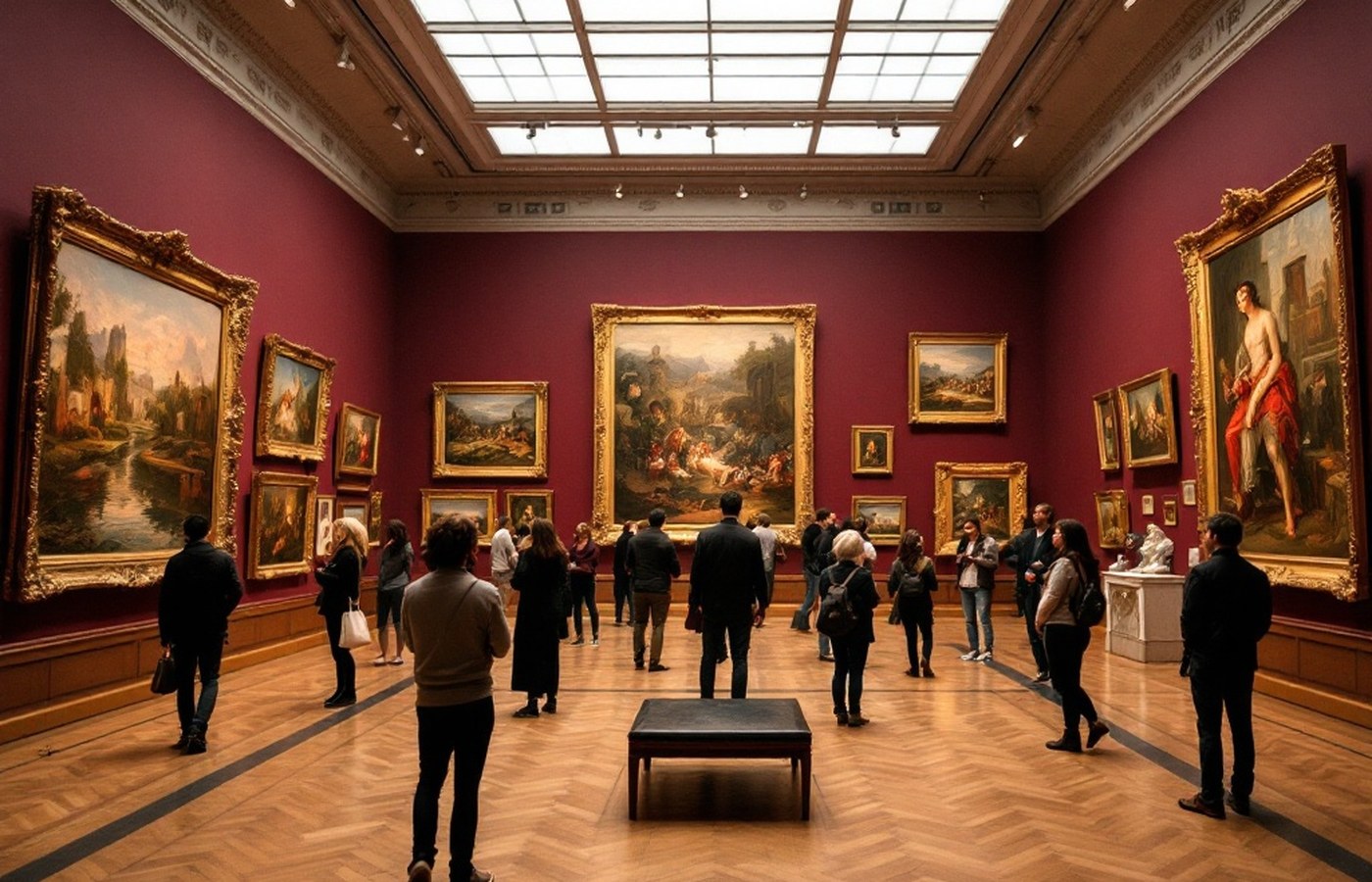
Modernism is a philosophical movement born of the new economic, political and social environment that emerged in Western society across the 19th and early 20th centuries. In a rapidly industrializing world of fast-growing cities, cultural change could be felt everywhere — in architecture, philosophy, religious faith, the sciences, the arts and everyday life. France played a defining role in Modernism, as many of the era's great artists flocked to Paris to express their art. The ground-breaking exhibit 'Degas to Picasso: Creating Modernism in France' showed how this remarkable chapter of history played out in the art world.
The exhibit featured over one hundred works, spanning from 1800 to the mid-twentieth century, by such greats as Degas, Monet, Matisse, Renoir and Picasso. Visitors could witness the transformation out of Romanticism — through artists like Géricault, Delacroix and Ingres — into the dramatic styles of Cézanne and Van Gogh, and on to the Cubism of pioneers like Braque and Picasso. The exhibition was held at the Ashmolean Museum at the University of Oxford from February 10 to May 7, 2017. And though the exhibit itself is now over, here are some of the artists it featured — and how their work fed the rise of Modernism in France.
The exhibition, at a glance
- 100+ works, from 1800 to the mid-twentieth century
- Romanticism → Impressionism → Post-Impressionism → Cubism
- Ashmolean Museum, University of Oxford — ashmolean.org
- On view February 10 – May 7, 2017
France played a defining role in Modernism, as many of the era’s great artists flocked to Paris to express their art.
Edgar Degas
France · Realist among the Impressionists
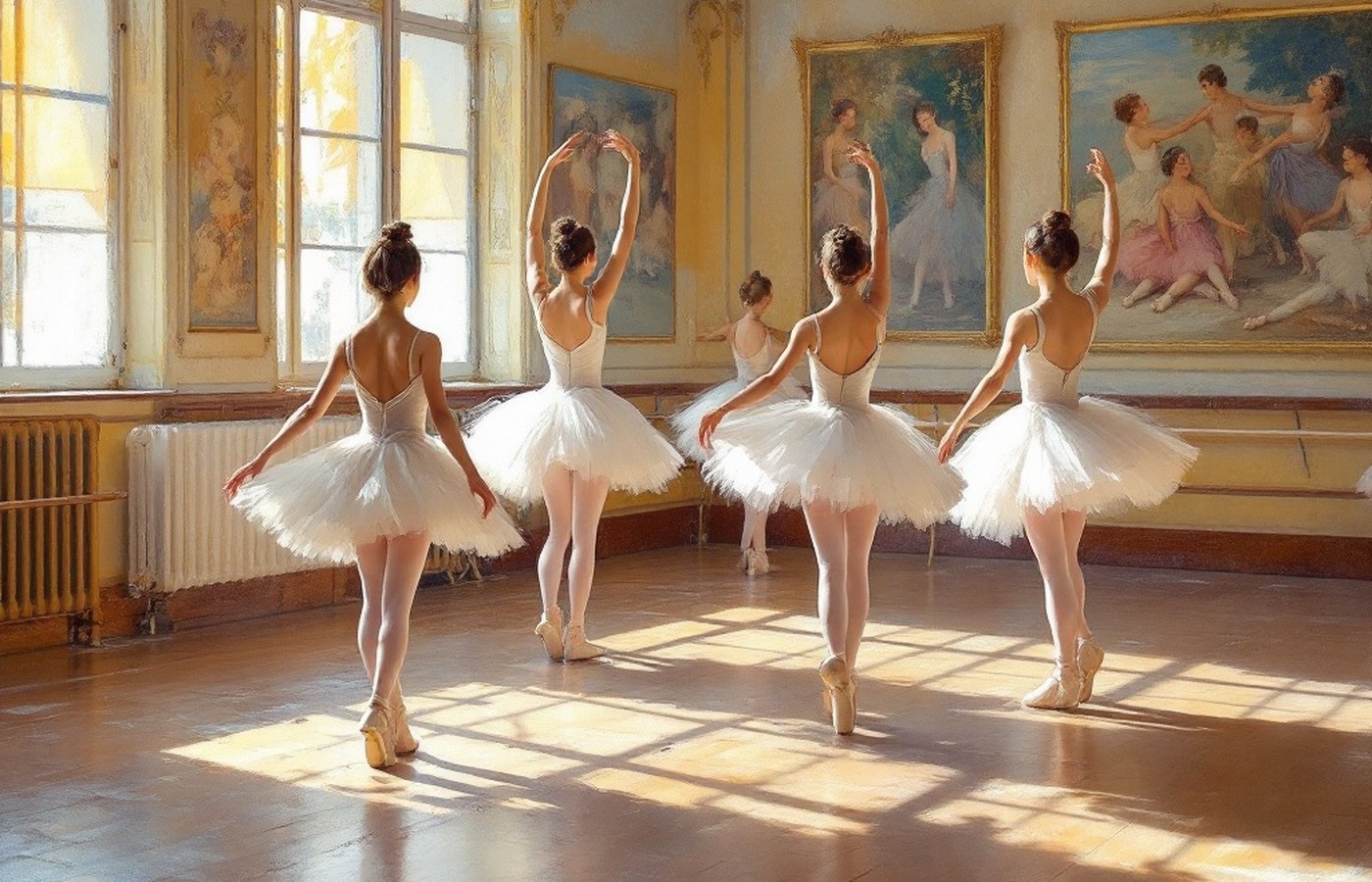
Born in France to a moderately wealthy family, Degas was known for his sculptures, drawings, prints and paintings. Many count him among the founders of Impressionism, though he preferred to be known as a realist. He was a master at depicting movement — more than half of his paintings and drawings are of dancers.
Claude Monet
Paris, b. 1840 · Founder of Impressionism
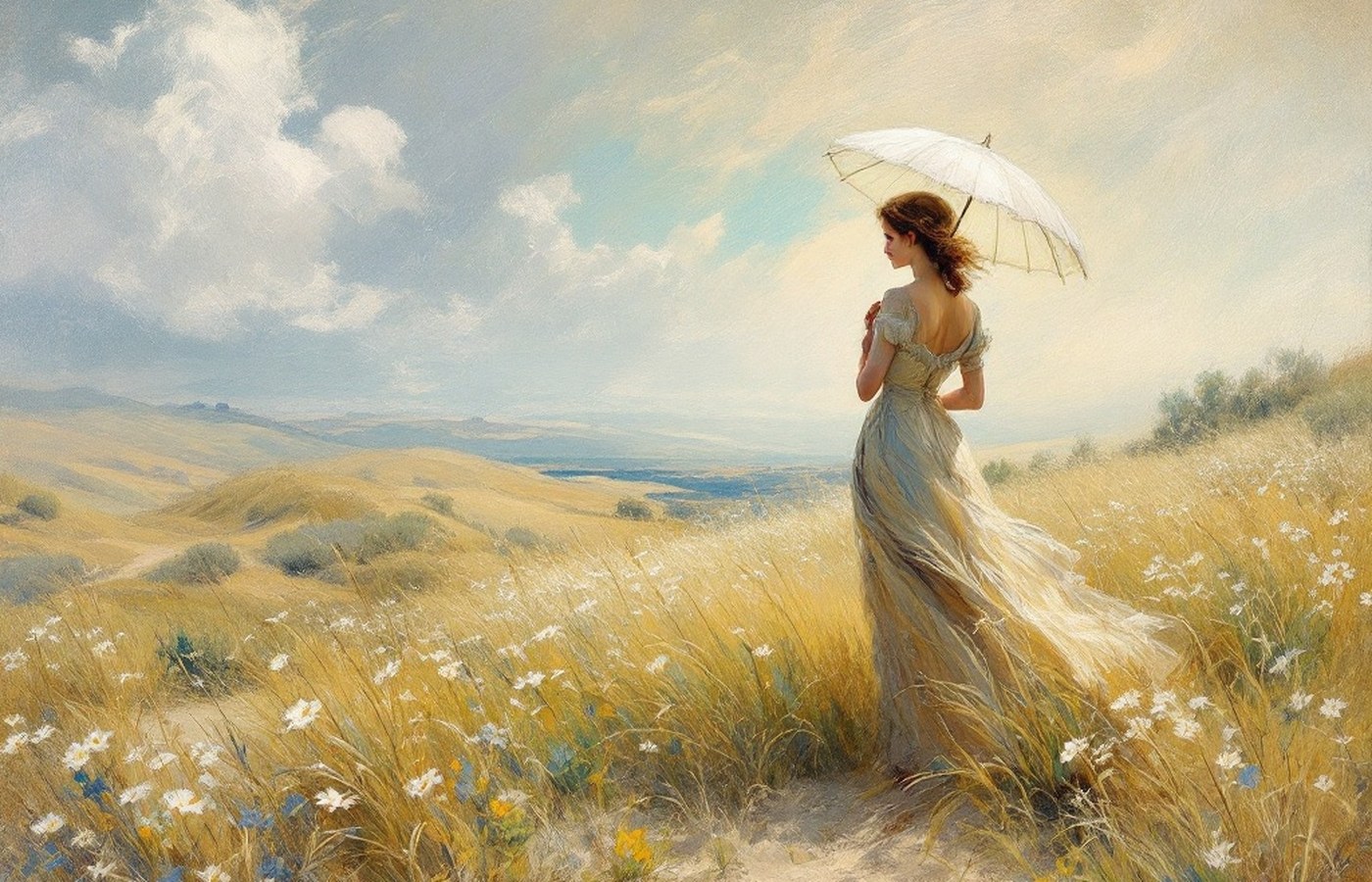
Born in Paris in 1840, Monet was likewise considered a founder of the French Impressionist movement. He is best known for his astonishing landscape paintings. His ambition to catch the beauty of the countryside led him to paint the same scene at different times of the day — and of the year.
Paul Cézanne
France · The bridge to Cubism
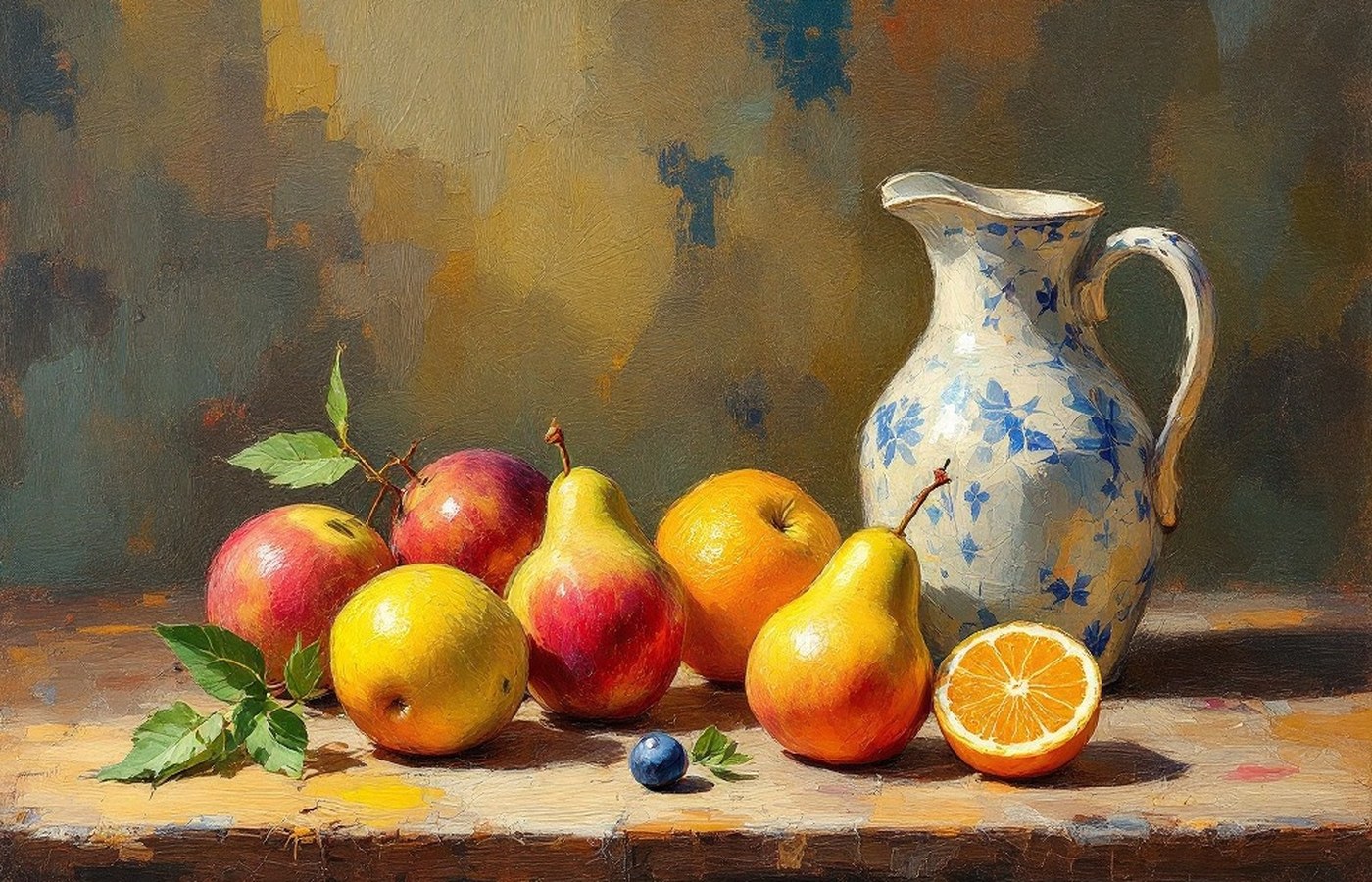
This French artist is considered by many to have built the bridge that carried Impressionism into the twentieth century's new artistic style: Cubism. His paintings reveal how intensely he studied his subjects, built up through small, patient brushstrokes.
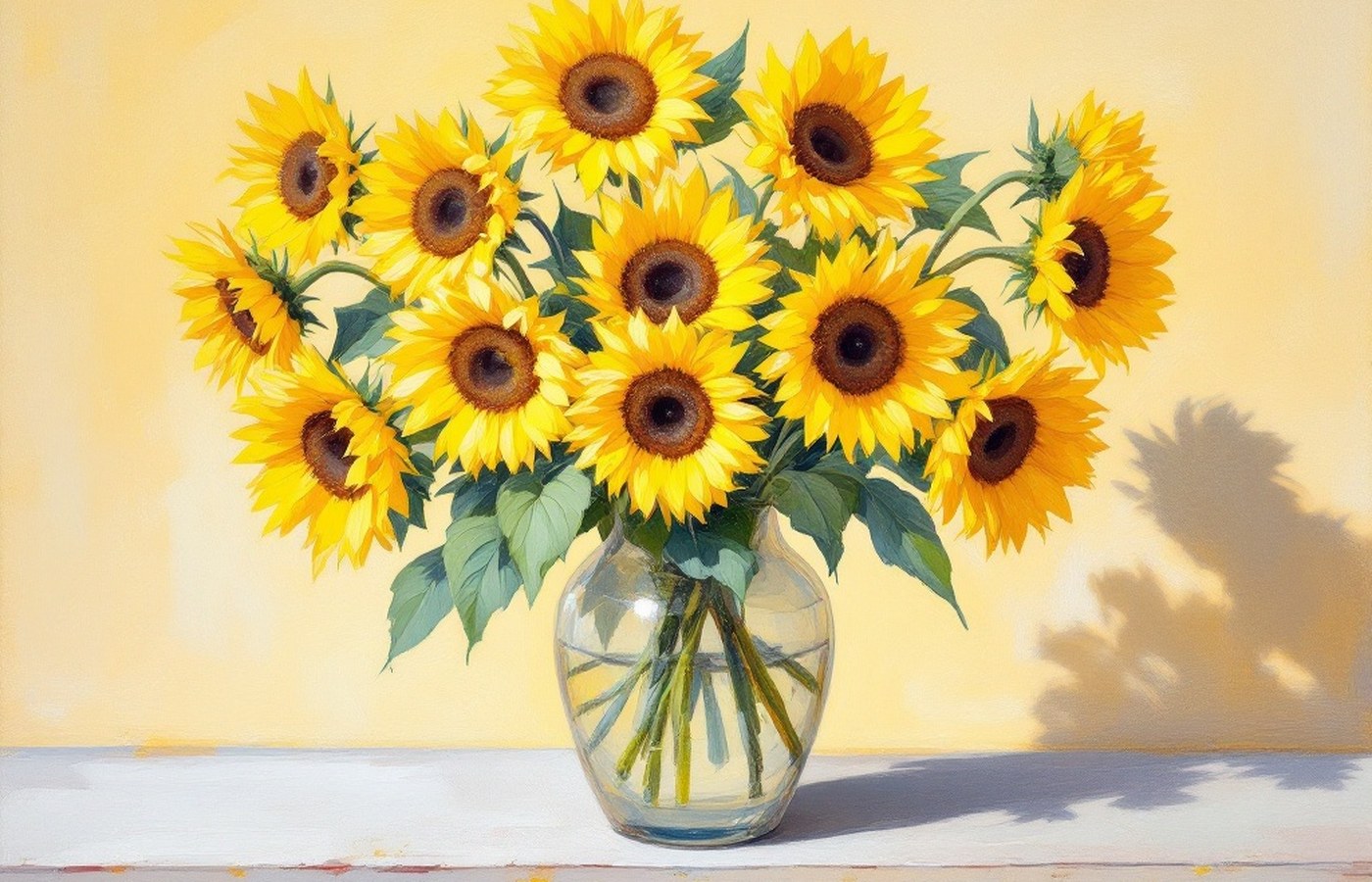
Vincent van Gogh
Netherlands, b. 1853 · Color unbound
Born in the Netherlands in 1853, Van Gogh is one of the most famous and influential artists in the world. His paintings range from still-lifes and landscapes to portraits and self-portraits, marked by bold color and dramatic, expressive brushwork that inspired modern art. He moved to Paris in 1886, where he experimented with Japanese art and adopted a brighter palette.
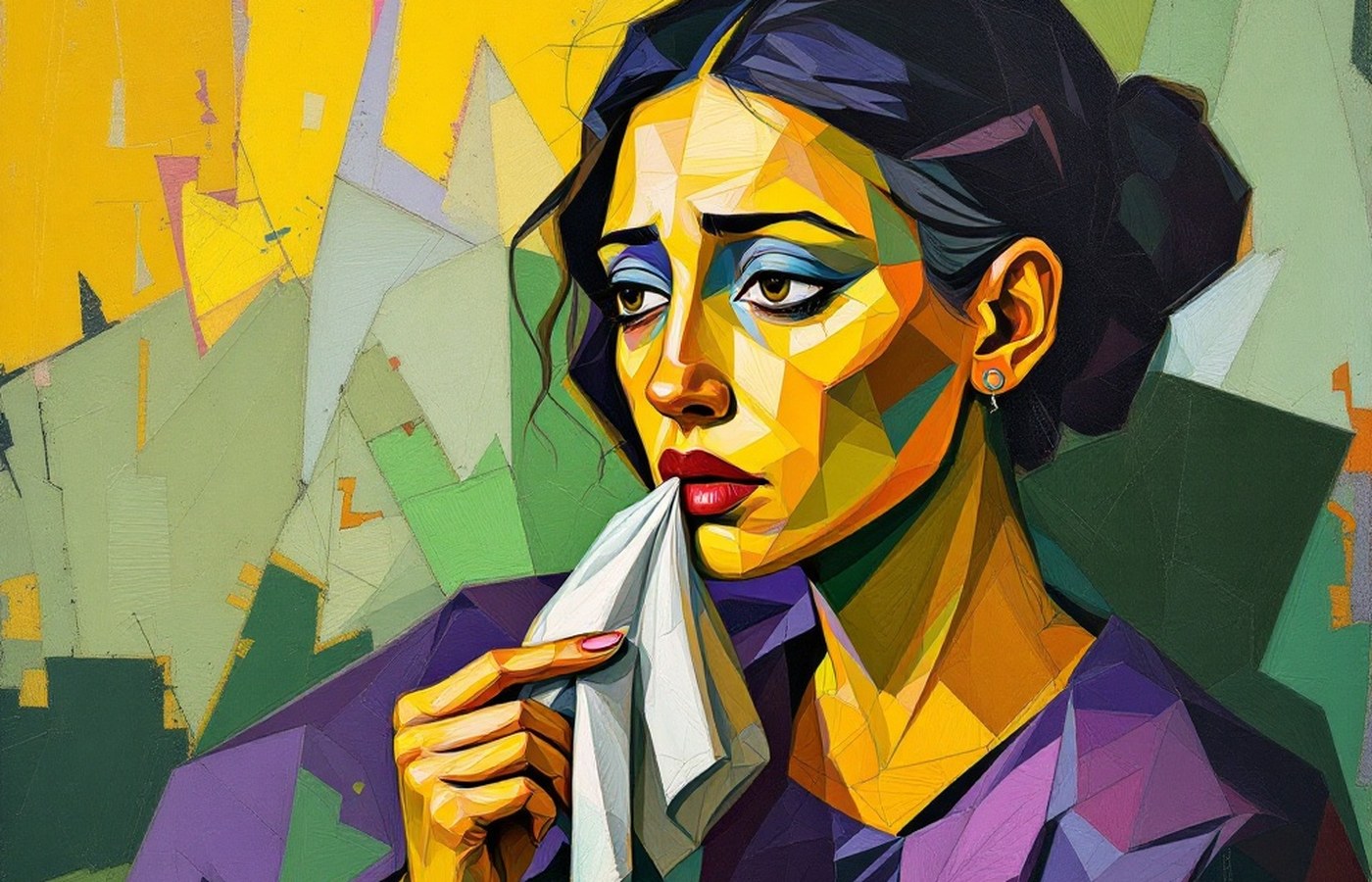
Pablo Picasso
Spain, b. 1881 · Father of Cubism
Though born in Spain, Picasso spent most of his life in France. One of the most influential artists of the 1900s, he was a sculptor, painter, ceramicist, printmaker, poet, stage designer and playwright. Credited as a founder of the Cubist movement, he also helped invent the collage. Cubism changed the European art world — touching not only sculpture and painting, but music, literature and architecture.